Small Molecule Causes Pancreatic Cancer Cells to Self Destruct

Dr. Sabha Ganai is a respected Chicago surgical oncologist who has overseen multidisciplinary management of tumors spanning the hepatobiliary system, stomach, and foregut. In the latter area, Dr. Sabha Ganai has experience treating cancer of the esophagus and pancreas.

Each year 55,000 Americans are diagnosed with pancreatic cancer, which centers on an organ tasked with secreting hormones that regulate blood sugar levels, as well as enzymes that assist in digestion. Involving mutated pancreatic cells, the condition is particularly threatening due to the way it quickly spreads to nearby organs.

Researchers at Tel Aviv University recently completed studies that demonstrate the effectiveness of the small molecule PJ34 in inducing self-destruction in pancreatic cancer cells. The mechanism of this molecule, which safely results in cancer cell self-destruction during the mitosis, or duplication, stage, was first published in 2017.

The latest studies involved xenografts, or the transplantation of human pancreatic cancer within immunocompromised mice. The results were that cancer cells within developed tumors were decreased by 90 percent within a single month after drug administration. Adverse effects were not observed, with no behavioral or weight gain changes occurring in the mice.

Improving Value in Health Care – MacLean Lecture Series Perspectives


Examples of Cancer Health Disparities

A former assistant professor for Southern Illinois University, Dr. Sabha Ganai is a senior ethics fellow for the University of Chicago. In this role, Dr. Sabha Ganai researches the driving forces fueling cancer health disparities.
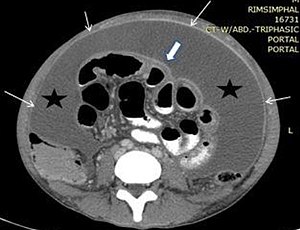
Cancer disparities refer to any difference in outcomes, diagnosis, and prevalence based on social groups. The reasons for these disparities can be economic, genetic, environmental, or blend of several factors. Some of the most common disparities include:

1. Mortality rates – Some demographics are more likely to be diagnosed with more aggressive forms of cancer at later stages, which can increase the mortality rate. A myriad of factors contributes to increased cancer mortality rates for African-American women, even though they are less likely to develop cancer than White women.

2. Cancer types – Likewise, cancer prevalence doesn’t translate into higher mortality rates. For example, while Indigenous women and Latinas are more likely to be diagnosed with cervical cancer, African-American women have a greater likelihood of dying from the disease.

3. Screening rates – Many times, mortality rates and screening habits are correlated. It is believed that a lack of screening contributes to African-American women facing a higher risk of dying of cervical cancer and the overall increased risk of developing cancer associated with a lower socioeconomic status.

Common Causes of Peritoneal Cancers

University of Chicago fellow and surgical oncologist Dr. Sabha Ganai is highly skilled in complex gastrointestinal procedures. Dr. Sabha Ganai specializes in treating rare pancreatic and peritoneal cancers.

Peritoneal carcinomatosis is a stage IV cancer that affects the lining of the abdominal cavity. Peritoneal cancers are often caused by the following conditions:

1. Colon Cancer – The large intestine can develop abnormal cell growth, also known as polyps. In some cases, these polyps can become cancerous. About one in 10 colon cancer patients will also develop a type of peritoneal cancer.

2. Gastric Cancer – Gastric cancer begins in the innermost layer of the stomach’s lining and proliferates outward. Nearly one in three patients with gastric cancer are eventually diagnosed with peritoneal carcinomatosis.

3. Asbestos Exposure – People who are chronically exposed to asbestos fibers can develop malignant cell growth in their lungs and abdomen, known as mesothelioma. However, very few people develop peritoneal cancers due to mesothelioma.

Design a site like this with WordPress.com
Get started