Common Causes of Peritoneal Cancers

University of Chicago fellow and surgical oncologist Dr. Sabha Ganai is highly skilled in complex gastrointestinal procedures. Dr. Sabha Ganai specializes in treating rare pancreatic and peritoneal cancers.

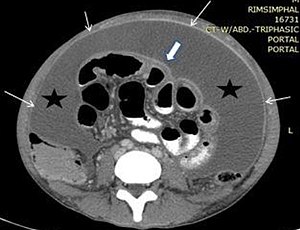
Peritoneal carcinomatosis is a stage IV cancer that affects the lining of the abdominal cavity. Peritoneal cancers are often caused by the following conditions:

1. Colon Cancer – The large intestine can develop abnormal cell growth, also known as polyps. In some cases, these polyps can become cancerous. About one in 10 colon cancer patients will also develop a type of peritoneal cancer.

2. Gastric Cancer – Gastric cancer begins in the innermost layer of the stomach’s lining and proliferates outward. Nearly one in three patients with gastric cancer are eventually diagnosed with peritoneal carcinomatosis.

3. Asbestos Exposure – People who are chronically exposed to asbestos fibers can develop malignant cell growth in their lungs and abdomen, known as mesothelioma. However, very few people develop peritoneal cancers due to mesothelioma.

FACS Fellowship Requirements

Decorated surgical oncologist Dr. Sabha Ganai specializes in gastrointestinal malignancies and peritoneal carcinomatosis. Dr. Sabha Ganai is a respected fellow of the American College of Surgeons (ACS).

The letters “FACS” following a surgeon’s name means that this doctor possesses the education, training, professional qualification and competence, and ethical standards required of a fellow. It also means that they have passed the rigorous evaluation process of fellowship and were found to be consistent with the demands of the standards of the college.

The FACS applicant must have graduated from a medical school recognized by the ACS. They must be certified by the American Surgical Specialty Board of a particular specialty practice. They must also possess an unrestricted license to practice their specialty in their state, and not have any pending reportable action that can adversely affect the status of their license.

After completing formal training and prior to the submission of their application, the applicant must have completed a minimum of one year of experience in the practice of surgery in their current location and be currently appointed as a surgical staff member in a primary hospital that will establish their specialization. They must also not have any pending reportable action that can adversely affect their appointment in that or another healthcare facility.

Based on the information taken from fellows listed by the applicant as references, ACS will determine the applicant’s ethical fitness and professional proficiency. Also, the applicant must have an interest in the pursuit of professional excellence as an individual surgeon or as part of a surgical community.

The MacLean Center’s Surgical Ethics Program

MacLean Center
Image: macleanethics.uchicago.edu

Dr. Sabha Ganai is a surgical oncologist with a background in minimally invasive surgeries, and was the first to perform the hyperthermic intraperitoneal chemotherapy procedure in central and southern Illinois. Dr. Sabha Ganai is a senior ethics fellow at the MacLean Center for Clinical Medical Ethics at the University of Chicago.

The MacLean Center aims to improve patient care by promoting medical ethics research and educating physicians and healthcare professionals on medical ethics. In 2015, the MacLean Center, in partnership with the American College of Surgeons, launched a specialized program tailored for surgical practitioners interested in receiving training on surgical ethics.

The MacLean Center’s surgical ethics program aims to prepare surgeons for professional practices that prioritize surgical ethics. It is a full-year fellowship that includes training on clinical ethics research and consultations.

It starts with a five-week introduction running from July to August. This summer introduction is an intense full-time program. Afterward, fellows meet once a week from September to June for a structured ethics curriculum. Among the topics covered are introduction to moral philosophy, clinical ethics, surgical ethics, and law and ethics. On top of curriculum training, the program features bi-monthly surgical ethics case references and mentored research opportunities in surgical ethics.

Design a site like this with WordPress.com
Get started